

blue reflective glass window
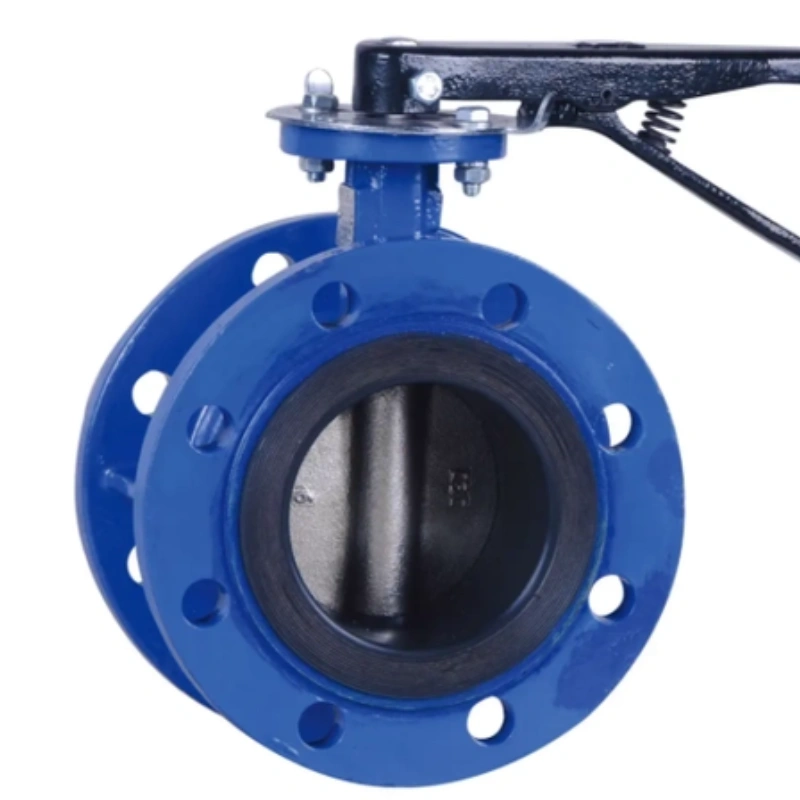
The Importance of 2% Butterfly Valve Manufacturers in Modern Industries Butterfly valves are critical components in various industrial applications, primarily due to their efficient operation and ability to control the flow of liquids and gases. Among the diverse varieties of butterfly valves, the 2% butterfly valve has garnered attention for its specific performance characteristics and advantages. Manufacturers specializing in 2% butterfly valves play a vital role in numerous sectors, from water treatment facilities to chemical processing and beyond. The Importance of 2% Butterfly Valve Manufacturers in Modern Industries One of the main advantages of 2% butterfly valves is their compact design, which offers substantial savings on space and weight compared to traditional valve types. This attribute is especially crucial in industries where installation space is limited or where weight restrictions apply, such as in aerospace and oil platforms. Manufacturers of 2% butterfly valves understand the demands of modern systems and continually innovate their designs to meet stringent industry standards. 2 butterfly valve manufacturers Quality is paramount when it comes to any valve manufacturer. The best practices in manufacturing involve selecting durable materials that can withstand high-pressure environments and corrosive substances. Leading 2% butterfly valve manufacturers utilize materials such as stainless steel, ductile iron, and high-performance plastic to ensure the longevity and efficiency of their products. Additionally, manufacturers invest in advanced technology and testing methods to ensure that each valve they produce meets predefined operational standards. Moreover, the choice of a reputable manufacturer can significantly influence operational efficiency and safety. Many industries now require compliance with international standards, such as ISO certifications. Effective 2% butterfly valve manufacturers often pursue these certifications to instill confidence in their products. Buyers should look for manufacturers that not only have these certifications but also offer comprehensive warranties and support services for their products. Another key aspect to consider when evaluating 2% butterfly valve manufacturers is the level of research and development they engage in. The development of innovative technologies, such as smart valves that incorporate IoT solutions for real-time monitoring and control, signifies a manufacturer’s commitment to advancing the industry. Such innovations can lead to enhanced performance, reduced operational costs, and increased safety, thereby creating a considerable competitive advantage. In conclusion, 2% butterfly valve manufacturers play a significant role in supporting the needs of various industries. Their ability to produce high-quality, reliable, and innovative valves is essential for maintaining operational efficiency and safety in critical applications. As industries continue to evolve and demand more from their equipment, the expertise and adaptability of specialized manufacturers will undoubtedly remain a cornerstone of success in fluid control applications. For companies looking to invest in butterfly valves, partnering with a manufacturer that embraces quality, innovation, and customer service can yield significant long-term benefits.
about
blue reflective glass window
The Importance of 1 Track Tie Downs in Railway Safety In the intricate and complex world of railway engineering, safety is paramount, and one seemingly small yet critical component that plays a significant role in this is the 1 track tie down. These humble fixtures, often overlooked, are the unsung heroes ensuring the stability and integrity of the rail network. Track ties, also known as sleepers, are the foundational elements that hold the rails in place, providing a solid base for the train wheels to run on. The term '1 ' in this context refers to the standard gauge width between the two rails, which is typically 4 feet 8.5 inches or approximately 1.435 meters, representing about 1 of the distance covered by a train wheel in one rotation. This standardized dimension is crucial for maintaining consistent track alignment and ensuring smooth train movement. Track tie downs, however, go beyond mere gauge maintenance. They anchor the ties to the ballast, the layer of stones beneath the tracks that distributes the load from the tracks and trains to the ground. The 1 tie downs are designed to withstand the immense forces exerted by the passing trains, resisting lateral movement and preventing the tracks from shifting or buckling under pressure. During high-speed operations or in extreme weather conditions, the stability of the tracks becomes even more critical. The 1 track tie downs act as the first line of defense against potential derailments, ensuring that the tracks remain securely in position The 1 track tie downs act as the first line of defense against potential derailments, ensuring that the tracks remain securely in position The 1 track tie downs act as the first line of defense against potential derailments, ensuring that the tracks remain securely in position The 1 track tie downs act as the first line of defense against potential derailments, ensuring that the tracks remain securely in position l track tie downs . They also play a vital role in absorbing and dissipating the vibrations caused by train movements, thereby reducing wear and tear on both the tracks and the infrastructure. Moreover, these tie downs facilitate regular maintenance and repairs. With their secure hold, they allow for easy replacement or adjustment of individual ties without disrupting the entire track system. This is particularly important in busy railway networks where minimal downtime is crucial. Innovations in 1 track tie downs have seen the introduction of materials like concrete and composite ties, offering increased durability and resistance to corrosion compared to traditional wooden ties. These advancements not only enhance safety but also contribute to the sustainability of the railway system by reducing the need for frequent replacements. In conclusion, the 1 track tie downs might be a small part of the vast railway infrastructure, but their role in ensuring safety, stability, and efficiency cannot be overstated. They embody the principle that in engineering, it's often the smallest details that make the biggest difference. As we continue to push the boundaries of speed and capacity in railway transportation, the importance of these humble tie downs will only continue to grow.
-

High quality industrial productsagement

High quality industrial products
View Details -

Meet the diverse needs of customers

Meet the diverse needs of customers
View Details -

Strict quality control

Strict quality control
View Details -

Top raw materials

Top raw materials
View Details -

Trusted supplier

Trusted supplier
View Details
Our application
news and information

Valve Selection Guide_ Differences and Applications of Gate Valves and Globe Valves
When navigating the world of industrial valves, understanding the nuances between various types can
Water Flow Control Device for Efficient Shut-Off and Regulation
Understanding Water Shut-off Valves A Comprehensive Guide Water shut-off valves are essential compon

Water Pressure Regulation with Reliable Check Valves for Optimal System Performance
Understanding Water Pressure Check Valves Water pressure check valves are vital components in plumbi
 English